Septic System Installation in Lexington, KY
Whether you’re building new construction, replacing a failed system, or upgrading an aging setup that no longer meets current needs, getting the installation right from the start matters. Lexington Septic Services helps homeowners, contractors, and developers throughout Fayette County navigate the site evaluation, permitting, and installation process with clear guidance at every step.
Talk to Us About Installation
Tell us about your project and we’ll reach out to discuss next steps.
Getting the Right System for the Property
A septic system isn’t a one-size-fits-all product. The right system for a given property depends on the size of the lot, the soil’s percolation rate, the depth to bedrock or the water table, the number of bedrooms, and the local regulations that govern what types of systems are permitted in that area.
In central Kentucky, these variables are particularly important. Fayette County has areas of clay-heavy soil that drains slowly, zones with shallow bedrock that limits conventional drain field depth, and karst terrain in parts of the county where underground drainage channels affect how a system needs to be designed. A system installed without accounting for these site conditions will underperform or fail earlier than it should.
Getting a proper site evaluation before any installation work begins isn’t just good practice — it’s required as part of the Kentucky permitting process. The results of that evaluation drive the system design, which in turn determines what gets installed and where on the property.
We walk you through that process from the beginning and make sure the system selected for your property is matched to what the site can actually support.
Septic System Types We Install in Kentucky
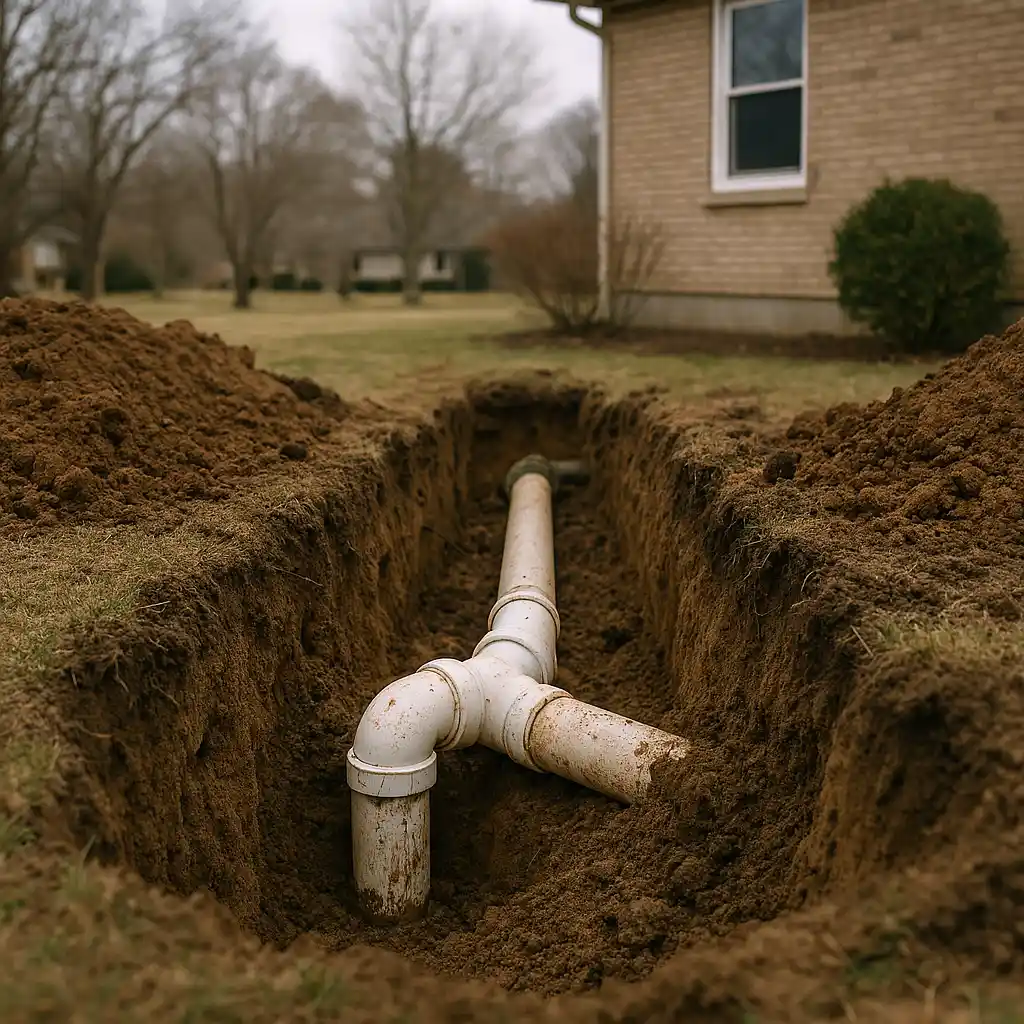
The system type that makes sense for your property depends on your site conditions and local regulations. Here are the systems commonly installed in the central Kentucky region.
The Kentucky Septic Permitting Process
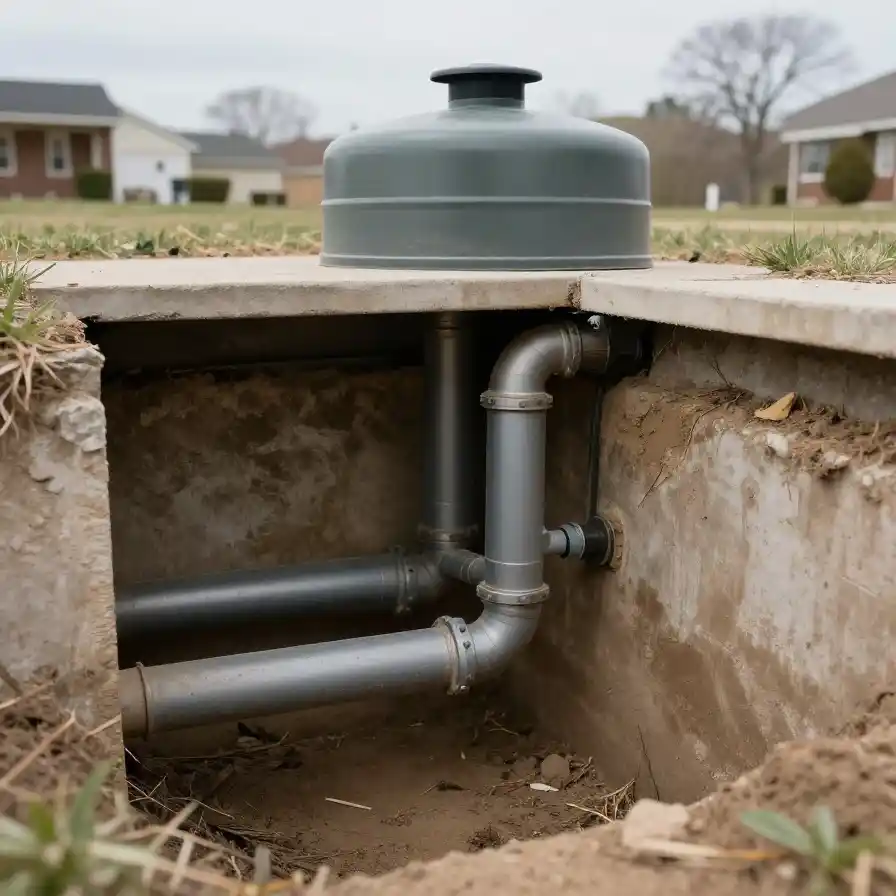
In Kentucky, septic system installation requires a permit from the local health department before any work begins. In Fayette County, that means working with the Lexington-Fayette County Health Department. The permitting process exists to ensure systems are designed appropriately for the site and installed correctly — which protects both the property owner and the surrounding environment.
The process starts with a site evaluation — typically a soil morphology study and a percolation test. These tests determine how the soil handles water and what type of system is appropriate for the site. The results go into the permit application, which also includes the proposed system design and the location of the system components on the lot.
We’ll help you understand what each step involves and what to expect at each stage. If you’re working with a builder or developer, we can coordinate directly with them to keep the project moving on schedule.
Discuss Your ProjectFrom First Contact to Completed Installation
Initial Conversation
Tell us about your project — new construction, replacement, or upgrade — and the property location. We’ll discuss your situation, give you a general sense of what the process involves for your type of project, and determine what the logical next steps are.
Site Evaluation
We conduct or coordinate the soil evaluation required for the permit application. This includes assessing soil characteristics and percolation, identifying any site limitations like shallow bedrock or high water tables, and determining what system types are viable for the lot.
Permitting and System Design
Using the site evaluation results, we develop the system design and work through the permit application with the Lexington-Fayette County Health Department. We handle the coordination so you don’t have to navigate the process on your own.
Installation
With the permit in hand, installation work begins. We follow the approved design, work efficiently to minimize disruption to the property, and arrange for the required inspections during and after installation. When the work is complete, you’ll have a properly permitted, inspected system with documentation on file.
New Construction vs. System Replacement
New construction and system replacement have some things in common — both require permits, both start with a site evaluation, and both need to be designed around the specific conditions of the property. But they’re different projects in important ways.
With new construction, you have more flexibility in how the lot is laid out and where the system components are placed. Planning the septic system early in the build process — before the house footprint is finalized — gives you the most options and helps avoid situations where the house ends up positioned in a way that limits where the drain field can go.
With replacements, you’re working within an existing footprint. The location of the house, outbuildings, wells, and property lines constrains where the new system can go. There may also be existing components that can be reused — the tank, for example, may still be in good condition even if the drain field has failed. We evaluate what’s there and factor that into the replacement plan.
Tell Us About Your Project
Septic Installation FAQs
It varies depending on the project type, the permitting timeline, and site conditions. For a straightforward new construction project with a conventional system, the site evaluation, permitting, and installation process can take anywhere from several weeks to a couple of months, depending on how quickly the permit is processed. More complex systems or sites that require additional testing can take longer. Replacements on existing properties sometimes move faster if the site evaluation information is already on file. We’ll give you a realistic timeline estimate once we understand your specific project.
Kentucky requires a soil evaluation as part of the permitting process for new septic systems. This typically includes soil morphology assessment — which examines soil texture, structure, and limiting layers — and may include a percolation test depending on the site and the system type proposed. The soil evaluation results determine what system types are permissible on the lot and drive the system design. We’ll explain exactly what’s required for your specific property and project type.
A failed or marginal perc test doesn’t necessarily mean a septic system can’t be installed — it means a conventional gravity system may not be appropriate for that site. Many properties in central Kentucky with challenging soil conditions are successfully served by mound systems, aerobic treatment units, or other alternative system types. The site evaluation results tell us what the soil can handle, and from there we design a system that works within those constraints.
Sometimes, yes. If the existing tank is structurally sound, properly sized for the property, and meets current code requirements, it may be possible to reuse it as part of a drain field replacement. We inspect the tank as part of the replacement assessment to determine whether it’s worth keeping. In some cases, reusing the tank reduces the overall scope and cost of the project. In others — particularly with older concrete tanks that have deteriorated — replacement of both the tank and the field makes more sense.
The land area required depends on the system type, the soil’s percolation rate, the number of bedrooms in the house, and the required setback distances from wells, property lines, water features, and structures. A conventional drain field for a three-bedroom home might require a few thousand square feet of usable area, but that number changes significantly based on soil conditions. Properties with slow-draining soil need more area. Mound systems require additional space for the raised field structure. We assess the available area and constraints as part of the site evaluation process.
Most properties within the Lexington city limits are served by the municipal sewer system managed by Kentucky American Water or the Lexington-Fayette Urban County Government. However, some properties — particularly those in rural or semi-rural parts of Fayette County, or in areas where sewer infrastructure hasn’t been extended — are still on private septic systems. If you’re not sure whether your property is on sewer or septic, your property records or a call to the health department will confirm it. If you’re outside city limits or in one of the surrounding counties, private septic is much more common.
Septic Installation Throughout Central Kentucky
We handle septic system installation projects throughout Fayette County and the surrounding communities. New construction projects, full system replacements, and system upgrades are all within our scope — regardless of whether the property is residential, commercial, or agricultural.
We work with homeowners, custom home builders, developers, and contractors across Georgetown, Versailles, Nicholasville, Winchester, Richmond, Berea, and the broader central Kentucky region. If you’re planning a project outside Fayette County, reach out with the property address and we’ll confirm whether it falls within our service area.
- Lexington and all of Fayette County
- Georgetown — Scott County
- Versailles and Midway — Woodford County
- Nicholasville — Jessamine County
- Winchester — Clark County
- Richmond and Berea — Madison County
Other Septic Services We Offer
Septic Inspections
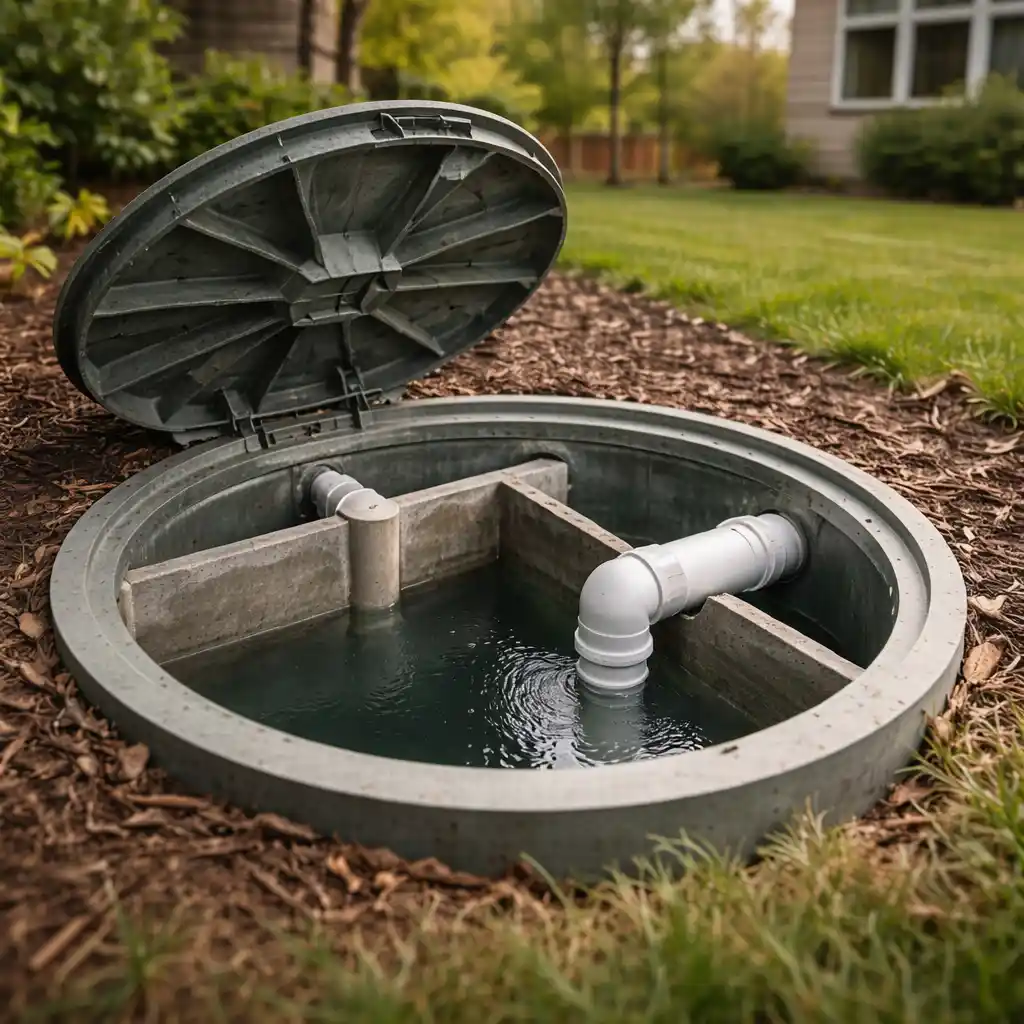
Before committing to a full replacement, an inspection helps clarify what the existing system actually needs. We provide written findings reports that give you a clear picture of the system’s condition and what your realistic options are.
Learn More
Drain Field Services
Not every failing drain field needs a full system replacement. We evaluate drain field conditions and walk you through all available options — from remediation approaches to targeted repairs — before discussing full replacement.
Learn More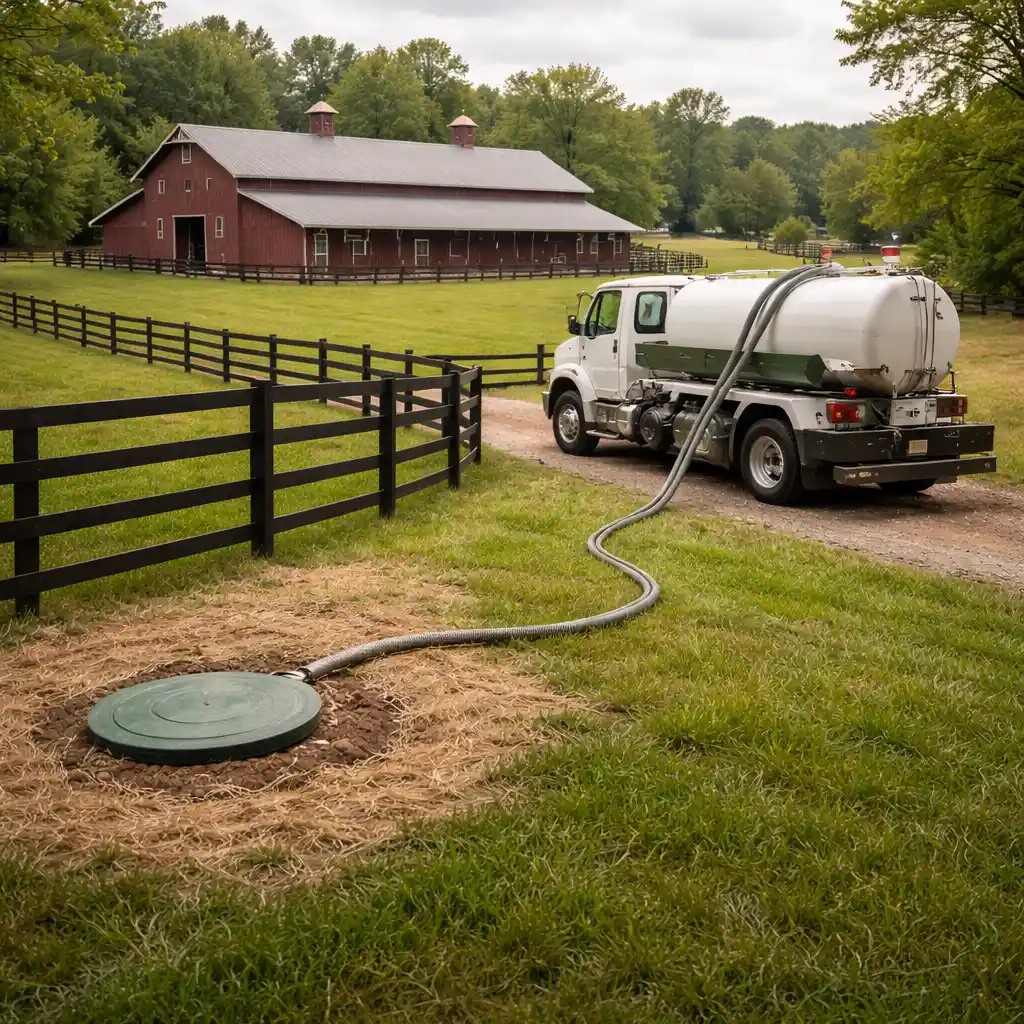
Septic Tank Pumping
Once your system is installed, regular pumping is the foundation of long-term maintenance. We provide pumping services throughout Fayette County and can set you up on a schedule that keeps the new system in good condition from the start.
Learn MoreTalk to Us About Your Installation Project
Whether you’re in the early planning stages of new construction, facing a system replacement, or exploring upgrade options for an aging setup, fill out the form and we’ll reach out to discuss your project. The earlier we’re involved in the process, the more options you typically have.
- New construction septic installation
- Full system replacement
- Drain field replacement and expansion
- Aerobic treatment unit installation
- Mound system installation
- Permitting process guidance
Tell Us About Your Project
We’ll reach out to discuss next steps and answer any questions.