Grease Trap Cleaning in Lexington, KY
A grease trap that isn’t cleaned on schedule creates problems fast — clogged drain lines, foul odors, health code violations, and in some cases temporary closure. Lexington Septic Services provides grease trap cleaning for restaurants, commercial kitchens, and food service operations throughout Fayette County. We work around your schedule so service doesn’t interfere with your business.
Schedule Grease Trap Service
Tell us about your operation and we’ll reach out to set up service.
What a Grease Trap Does and Why Cleaning Matters
A grease trap — sometimes called a grease interceptor — is a plumbing device installed between the kitchen drains and the sewer or septic system. Its job is to intercept fats, oils, and grease before they enter the drain line. Inside the trap, grease floats to the top and solids sink to the bottom, leaving relatively clear water in the middle that flows on through the system.
Over time, the grease and solids layers build up. When the trap gets too full, grease starts passing through into the drain line — where it cools, hardens, and begins to restrict flow. Left long enough, this causes drain backups, sewage odors in the kitchen, and the kind of health code violations that can result in a failed inspection or a temporary shutdown.
Regular cleaning prevents all of that. How often a trap needs service depends on the size of the trap and the volume of grease-producing activity in the kitchen. Most restaurant traps need cleaning monthly or quarterly. High-volume operations may need more frequent service. We’ll help you figure out the right schedule for your specific setup.
For businesses connected to a septic system rather than municipal sewer, grease trap maintenance is especially important. Grease that reaches a septic tank disrupts the bacterial activity that makes the tank function and can cause serious damage to the drain field over time.
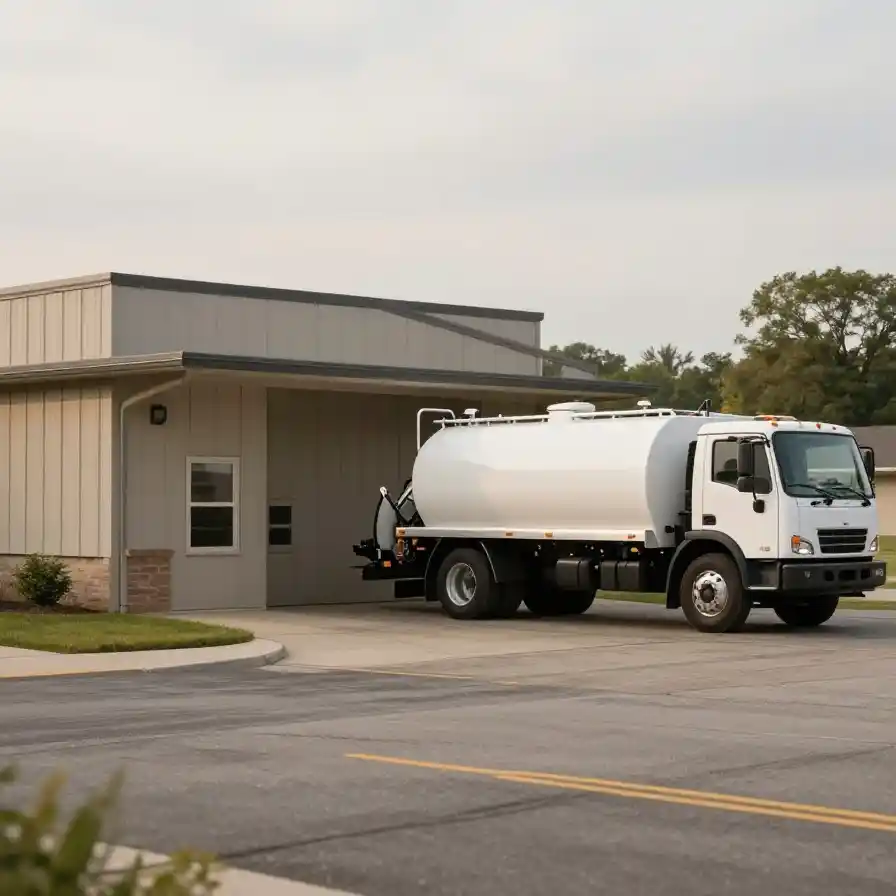
Grease Trap Service for Lexington Food Service Operations
We service grease traps for a wide range of commercial operations throughout the Lexington area. If your facility produces grease-laden wastewater, we can help.
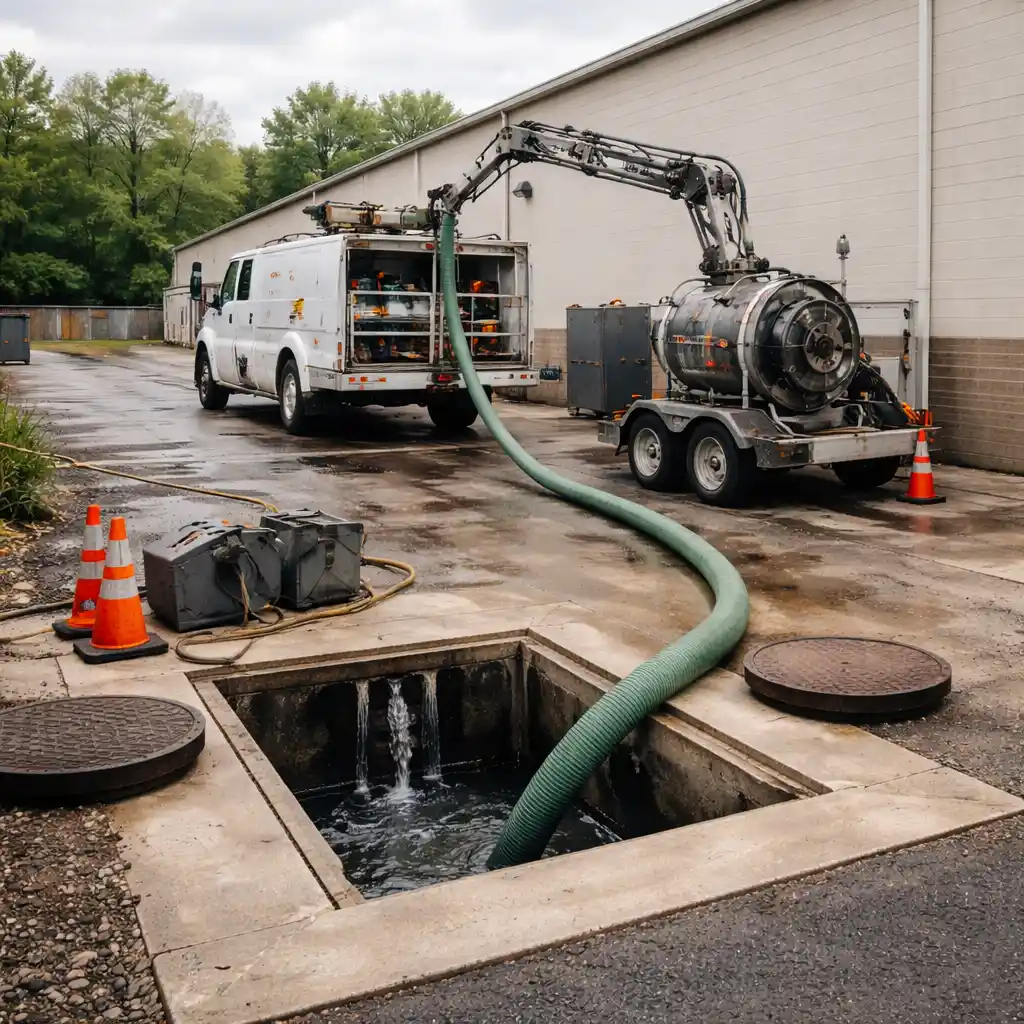
What Happens During a Grease Trap Cleaning
A thorough grease trap cleaning isn’t just skimming the surface. Here’s what the process involves:
- Full pump-out of grease, solids, and liquid from the trap
- Manual scraping of the trap walls, baffles, and lid
- Inspection of inlet and outlet baffles for damage or buildup
- Check of the flow-through path to confirm the trap is functioning properly
- Clean water rinse of the trap interior
- Proper disposal of waste at a licensed facility
- Service record documentation for your files and health inspections
We work efficiently to minimize disruption to kitchen operations. Most trap cleanings can be completed before or after kitchen hours if that works better for your schedule — let us know when you reach out and we’ll plan accordingly.
Setting Up Grease Trap Service
Tell Us About Your Operation
Fill out the form with your business name, location, and a brief description of your setup — type of operation, approximate trap size if known, and how often it’s currently being serviced. That helps us prepare and give you a realistic service recommendation.
We Contact You to Confirm
Someone from our team reaches out to confirm the details, answer any questions, and schedule the first service visit. We work around your business hours and can accommodate early morning or after-close service if that’s what works for your kitchen.
First Service Visit
We complete the full cleaning, inspect the trap components, and document the service. If we notice anything during the visit that warrants attention — a damaged baffle, unusual buildup, or flow concerns — we’ll flag it before we leave.
Ongoing Schedule Set Up
Based on your trap size and kitchen volume, we’ll recommend a service frequency and set you up on a recurring schedule. You’ll receive service records after each visit that you can use for health department inspections and internal records.
Grease Trap Maintenance and Health Code Compliance
Health departments in Lexington and throughout Fayette County require commercial food service operations to maintain grease traps in proper working condition. Inspectors check trap condition and service records during routine health inspections, and a trap that’s overdue or poorly maintained is a common source of violations.
Beyond compliance, a well-maintained trap protects your drain lines and — for operations on a septic system — your entire wastewater system. Grease that reaches a septic tank disrupts the bacterial balance that makes the tank function, and grease that reaches a drain field can cause damage that’s expensive and disruptive to repair.
We provide service records after every visit so you have documentation ready when inspectors ask for it. If you’ve fallen behind on service and need to get current before an upcoming inspection, reach out and we’ll get you scheduled promptly.
Get on a Maintenance Schedule
Grease Trap Cleaning FAQs
The standard guideline is the 25% rule — a trap should be cleaned when the combined grease and solids layers reach 25% of the trap’s total liquid capacity. In practice, that works out to monthly service for most full-service restaurants and quarterly service for lower-volume operations like small delis or cafes. High-volume kitchens may need more frequent service. We’ll assess your trap and kitchen output and recommend a frequency that keeps you ahead of buildup.
The terms are often used interchangeably, but they technically refer to different sizes of equipment. A grease trap is a smaller, indoor unit typically located under the sink or in the kitchen floor. A grease interceptor is a larger unit, usually installed outside and buried underground, designed to handle higher flow rates. Both work on the same principle — separating grease from wastewater — but they differ in capacity and cleaning requirements. We service both.
We prefer to schedule service during non-peak hours to minimize disruption — early morning before service begins, or after the kitchen closes for the day. For outdoor interceptors, service can usually happen without affecting kitchen operations at all. For indoor traps, we work as efficiently as possible to get in and out without impacting your staff. Let us know your preferred timing when you reach out and we’ll plan around it.
After each cleaning, we provide a service record that includes the date of service, the amount of waste removed, the condition of the trap components, and any observations from the visit. This documentation serves as proof of maintenance for health inspections and is useful for your own records and compliance tracking. Keep these records on file — inspectors typically want to see a service history, not just the most recent visit.
Enzyme and bacterial additives marketed for grease traps are widely available but have a significant drawback — they break down grease into smaller particles that can pass through the trap more easily and cause problems further down the drain line or in the septic system. They may reduce the visible grease in the trap while actually making the downstream problem worse. Regular mechanical cleaning is the approach that actually removes the grease from the system rather than just moving it along.
It makes grease trap maintenance more important, not less. Grease that passes through the trap and reaches a septic tank disrupts the microbial activity that makes the tank function properly. Enough grease accumulation in a septic tank can cause it to stop processing waste effectively, leading to drain field saturation and potentially expensive system repairs. For businesses on septic systems, staying on top of grease trap service is one of the most direct ways to protect the entire wastewater system.
Grease Trap Service Across the Lexington Area
We provide grease trap cleaning for commercial food service operations throughout Fayette County and the surrounding communities. Whether your business is in downtown Lexington, a suburban strip center, or a rural commercial property outside the city, we cover your area.
Our service area includes Georgetown, Versailles, Nicholasville, Winchester, Richmond, Berea, and other communities in central Kentucky. For businesses with multiple locations across the region, we can coordinate service across all of them under a single account.
- Lexington and all of Fayette County
- Georgetown — Scott County
- Versailles and Midway — Woodford County
- Nicholasville — Jessamine County
- Winchester — Clark County
- Richmond and Berea — Madison County
Other Septic Services We Offer
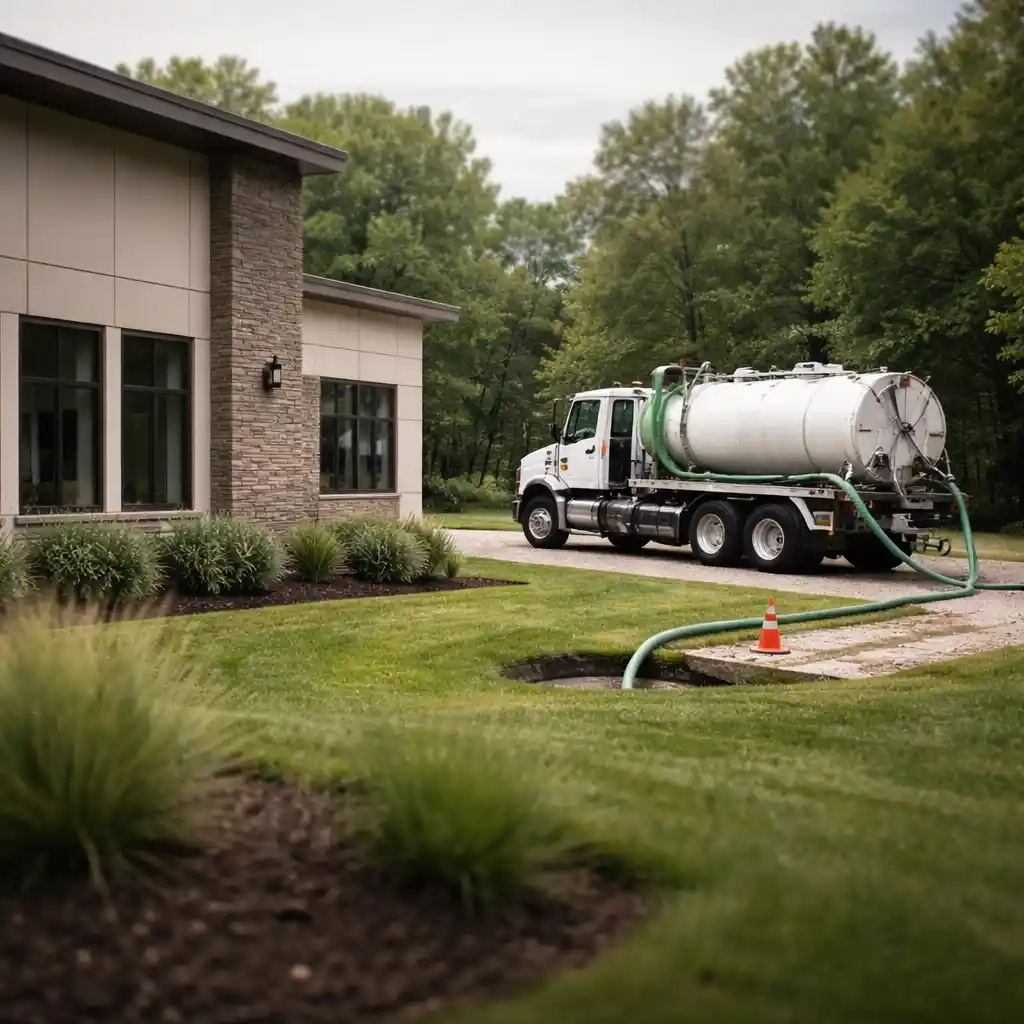
Septic Tank Pumping
Commercial properties on septic systems need regular tank pumping in addition to grease trap maintenance. We handle both and can coordinate service visits to minimize disruption to your operation.
Learn More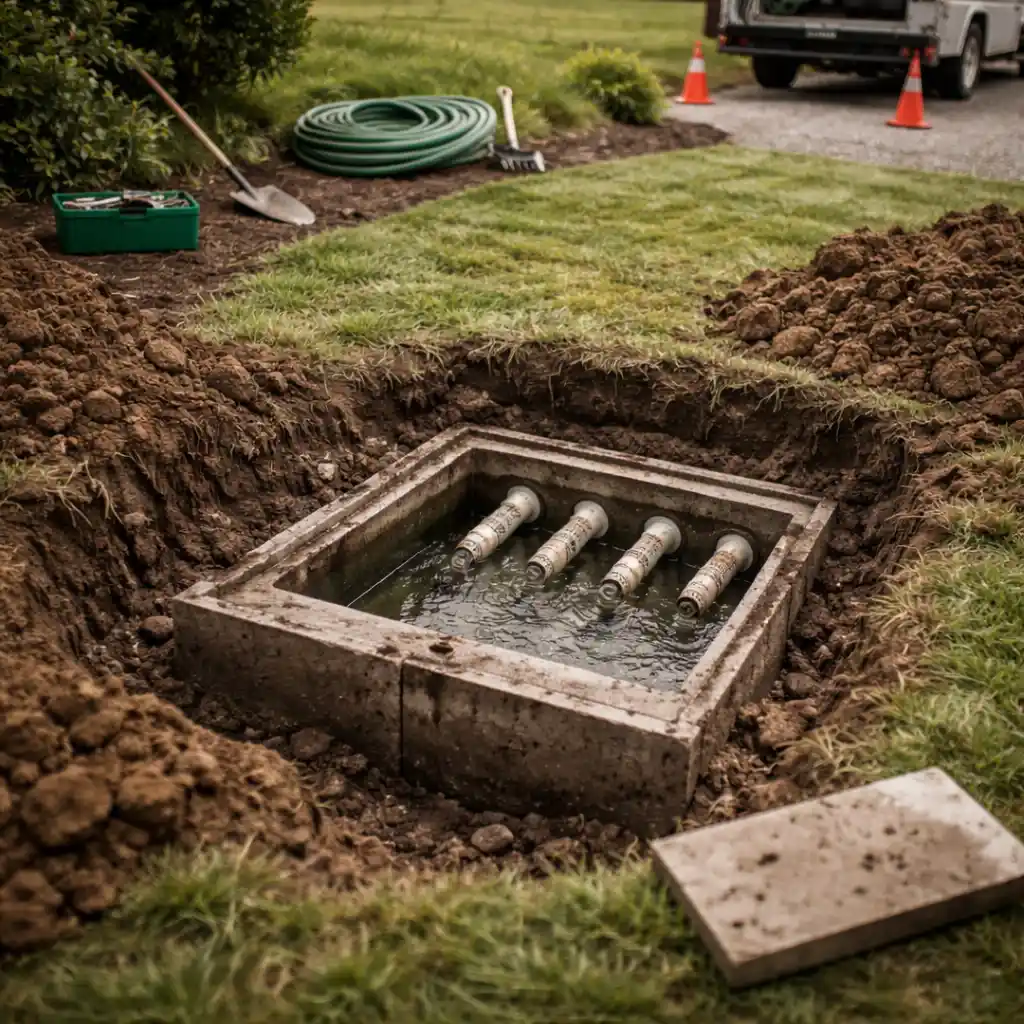
Septic Cleaning & Maintenance
For commercial properties with septic systems, thorough tank cleaning addresses accumulated buildup that standard pumping leaves behind. Especially important for operations that produce high grease loads.
Learn More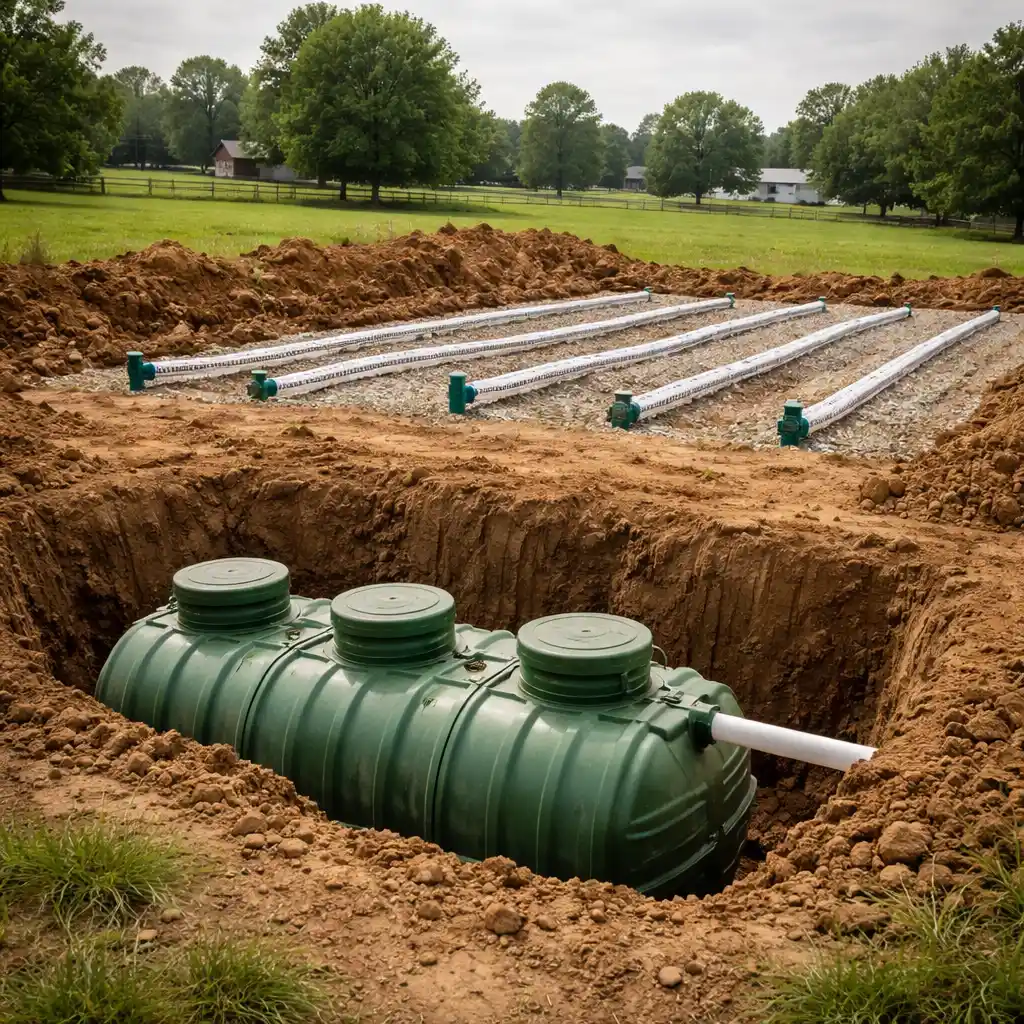
Drain Field Services
Grease that bypasses the trap can cause long-term damage to a septic drain field. If your property has had grease management issues in the past, a drain field assessment is worth scheduling alongside your trap service.
Learn MoreSchedule Grease Trap Cleaning in Lexington
Ready to get on a maintenance schedule or need a one-time cleaning? Fill out the form and we’ll reach out to confirm your details and set up service. If you have an upcoming health inspection and need documentation of service, let us know and we’ll prioritize accordingly.
- Full pump-out and interior cleaning
- Baffle and component inspection
- Waste disposal at licensed facility
- Service records for health inspections
- Recurring maintenance scheduling
- Multi-location account management
Tell Us About Your Needs
We’ll reach out to confirm your appointment details.