Drain Field Repair & Services in Lexington, KY
A failing drain field is one of the more serious septic problems a homeowner can face — but catching it early makes a significant difference in what your options are. Lexington Septic Services evaluates drain field conditions throughout Fayette County, explains what’s causing the problem, and helps you understand what repair or remediation actually involves before any work begins.
Schedule a Drain Field Evaluation
Tell us what you’re seeing and we’ll reach out to set up an assessment.
What a Drain Field Does and Why It Fails
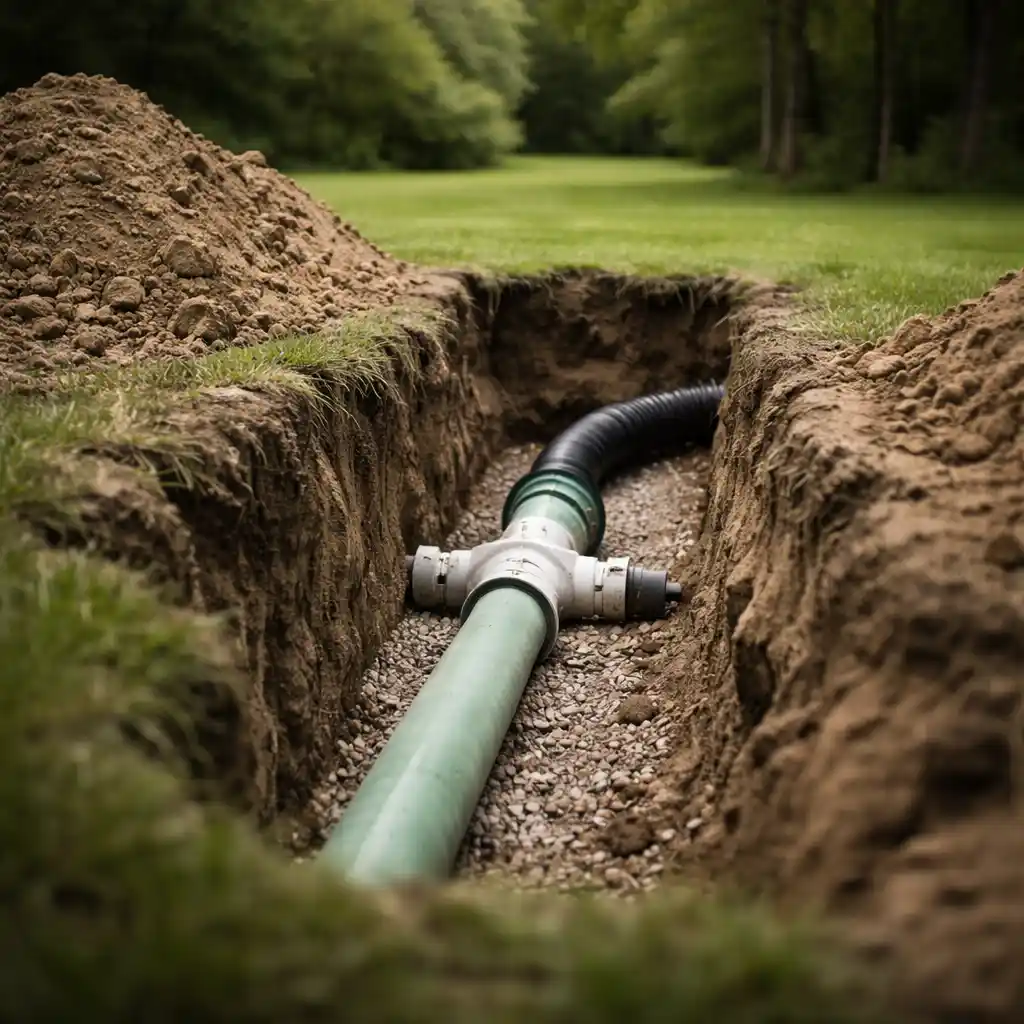
The drain field — also called a leach field — is the final stage of your septic system. Liquid effluent flows out of the septic tank through a distribution box and into a network of perforated pipes buried in gravel-filled trenches. From there, it slowly filters through the soil, which removes remaining contaminants before the water re-enters the groundwater supply.
Drain fields fail for a few main reasons. The most common is a biomat — a layer of organic material and bacteria that builds up on the soil surface below the trenches over time. When the biomat becomes too thick, it blocks the soil’s ability to absorb effluent. The liquid has nowhere to go and starts backing up into the tank or surfacing above ground.
Other causes include physical damage to the distribution pipes, tree root intrusion, compacted soil from vehicles driven over the field area, and in some cases, the field simply reaching the end of its design life. Clay-heavy soil — common in much of Fayette County — also absorbs effluent more slowly than sandy soil, which can accelerate saturation if the system is used heavily.
Understanding the cause is what determines the right approach. That’s why we start with a thorough assessment rather than jumping straight to a replacement recommendation.
Signs Your Drain Field May Be Failing
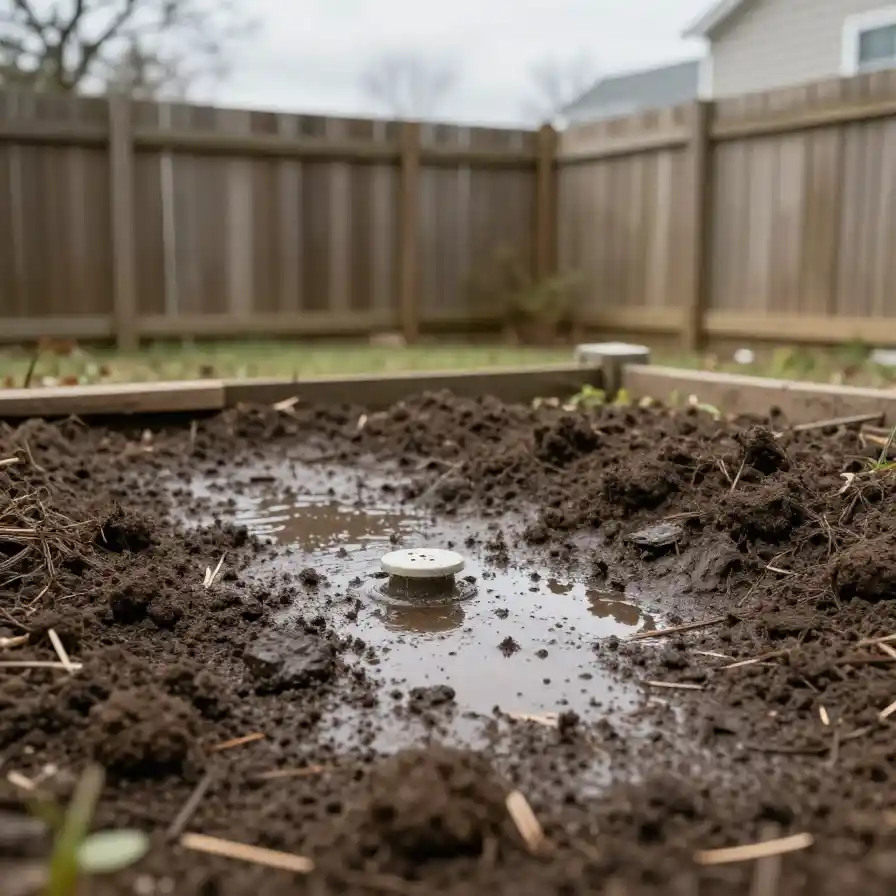
Drain field problems don’t always announce themselves dramatically. Some of the most common warning signs are easy to dismiss as minor issues until the situation gets worse.
Assessment Before Recommendations
One of the most important things we do before any drain field conversation is an actual assessment. The symptoms of a failing drain field — wet ground, slow drains, odors — can have different underlying causes, and the right response depends on understanding what’s actually happening in the system.
We look at the drain field area, check the distribution box for uneven flow or damage, probe the soil for saturation, and assess the condition of the tank relative to what the field is receiving. In many cases, a tank that hasn’t been pumped recently is contributing to field stress — and addressing that first changes the picture significantly.
Once we understand what’s happening, we explain your options clearly. That might be a remediation approach that restores the existing field, a repair to a specific component like the distribution box or a damaged pipe, or in cases where the field is truly at end of life, a discussion of replacement. We don’t push a particular outcome — we give you the information and let you make an informed decision.
Schedule an AssessmentDrain Field Repair and Remediation Approaches
Not every drain field problem requires a full replacement. The right approach depends on the cause and severity of the issue. Here are the options we discuss based on assessment findings.
Drain Fields and Central Kentucky Soil Conditions
Soil conditions in Fayette County and the broader central Kentucky region vary considerably, and those differences affect how drain fields behave over time. The clay-heavy soils common across much of this area absorb effluent more slowly than sandy or loamy soils — which means systems need to be sized appropriately and maintained carefully to avoid chronic saturation.
Parts of the county also sit on karst geology — a landscape underlain by soluble limestone that creates sinkholes, underground drainage channels, and shallow bedrock in some areas. These conditions complicate drain field design and mean that standard approaches don’t always apply. Properties with karst features may require mound systems, aerobic treatment units, or other alternatives to conventional leach fields.
We’re familiar with these regional soil characteristics. When we assess a drain field in this area, we’re not applying a generic framework — we’re factoring in what the ground here actually does.
Talk to Us About Your Property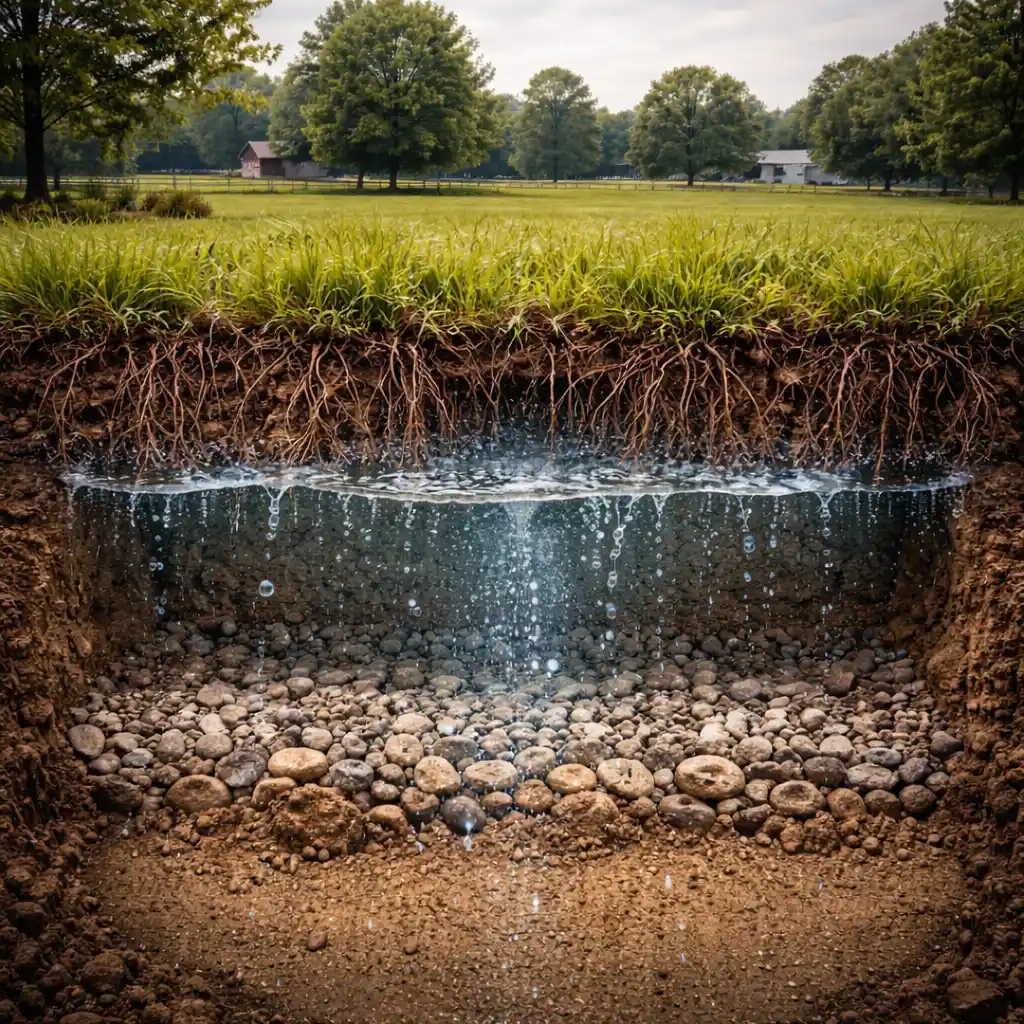
What Happens After You Reach Out
Describe What You’re Seeing
Fill out the form and describe the symptoms — wet ground, odors, slow drains, backups, or anything else that’s caught your attention. The more detail you provide, the better we can prepare for the visit.
We Schedule the Assessment
We contact you to confirm the details and set a time. If the situation sounds urgent based on what you’ve described, we let you know and do our best to get out to the property promptly.
On-Site Evaluation
We assess the drain field, check the distribution box and tank condition, probe the soil, and evaluate the overall system. We take the time to understand what’s actually happening rather than making assumptions based on symptoms alone.
We Explain Your Options
After the assessment, we walk you through what we found and what your realistic options are — from the least invasive approaches to more significant repairs or replacement if that’s what the situation calls for. You’ll have the information you need to make a decision that makes sense for your property and budget.
Drain Field FAQs
A well-maintained drain field in suitable soil conditions can last 25 to 30 years or more. Fields that have been overloaded, poorly maintained, or installed in challenging soil conditions may fail significantly sooner. In central Kentucky, where clay soils are common, proper system sizing and consistent maintenance are particularly important for getting the most out of the drain field’s lifespan.
It depends on the cause and stage of failure. Early-stage saturation caused by an overdue tank or a distribution box problem can often be addressed without replacing the field. Fields with isolated pipe damage can sometimes be repaired section by section. True biomat failure in a field that has reached end of life is harder to reverse — though remediation approaches exist that can extend the field’s useful life in some cases. The honest answer is that we don’t know until we’ve assessed the specific situation.
If you’re seeing minor symptoms — slightly slow drains, a faint odor outside — limited use is generally okay while you wait for an assessment. If you’re seeing sewage backing up inside the home or significant effluent surfacing on the ground, you should minimize water use as much as possible until the system is evaluated. Continuing to add load to a system that’s already overwhelmed makes the situation worse and can damage the drain field further.
The most common factors are infrequent pumping (allowing solids to reach the drain field), heavy water use that saturates the soil faster than it can drain, driving vehicles or heavy equipment over the field area (which compacts the soil and crushes pipes), flushing non-biodegradable materials, and in some cases, tree roots growing into the distribution pipes. Systems that were undersized for the actual household usage also tend to fail earlier than expected.
Yes. In Kentucky, septic system repair and replacement work is regulated and typically requires a permit from the local health department. Fayette County has its own permit and inspection process. We can walk you through what’s required for your specific situation and help you understand the steps involved in the permitting process before any work begins.
Don’t drive vehicles, park heavy equipment, or place any structures over the drain field area. The weight compacts soil and can crush the distribution pipes. Avoid planting trees or deep-rooted shrubs near the field — roots will find their way into the pipes over time. Also keep roof drains, sump pumps, and other water sources from discharging near the field, as excess surface water increases soil saturation and reduces the field’s capacity to absorb effluent.
Drain Field Services Across Central Kentucky
We evaluate and service drain fields throughout Fayette County and the communities surrounding Lexington. Properties in rural parts of the county and surrounding areas that rely on private septic systems are squarely within our service area.
We cover Georgetown, Versailles, Nicholasville, Winchester, Richmond, Berea, Midway, and other communities in the region. If you’re not sure whether we service your area, reach out with your address and we’ll confirm.
- Lexington and all of Fayette County
- Georgetown — Scott County
- Versailles and Midway — Woodford County
- Nicholasville — Jessamine County
- Winchester — Clark County
- Richmond and Berea — Madison County
Other Septic Services We Offer
Septic Tank Pumping
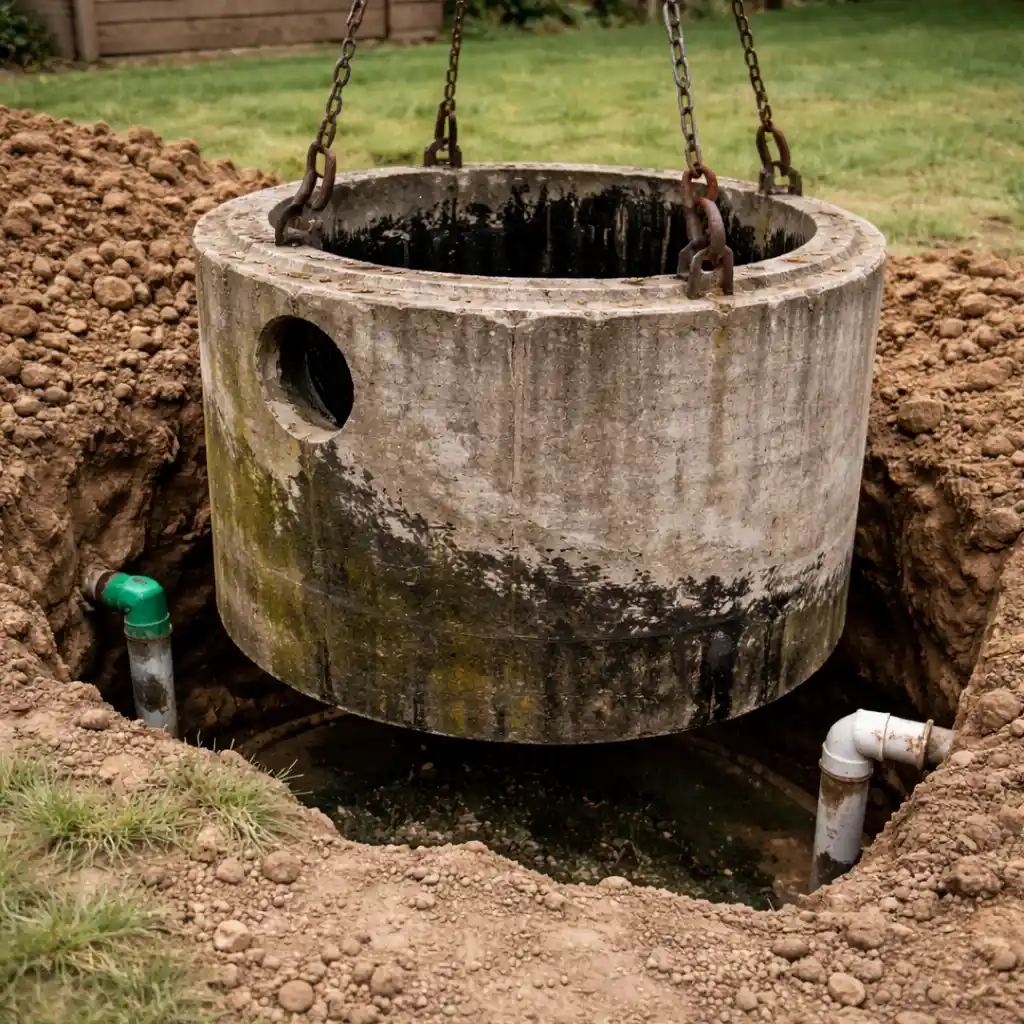
Keeping the tank pumped on schedule is one of the most effective ways to protect the drain field. An overdue tank is a leading cause of drain field stress throughout Fayette County.
Learn More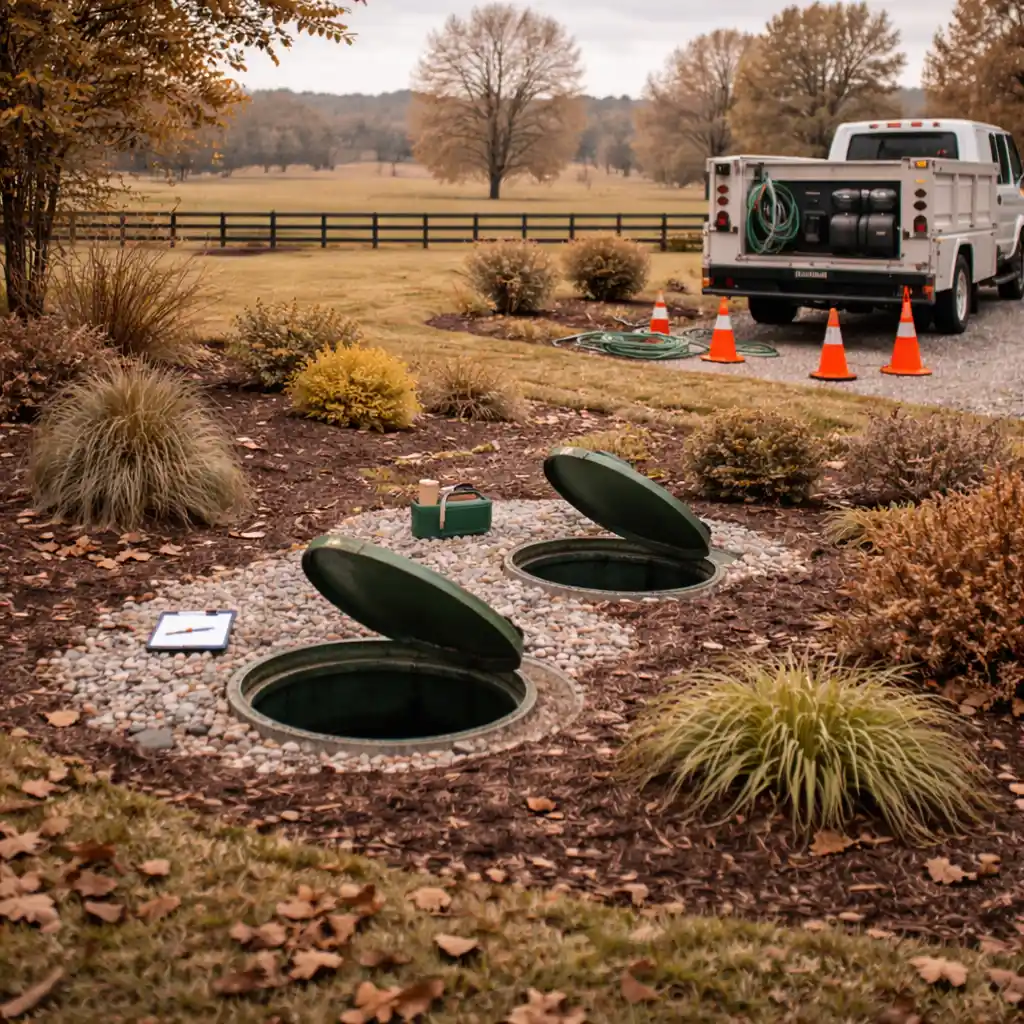
Septic Inspections
A full system inspection evaluates the tank, baffles, distribution box, and drain field. A good starting point if you want a complete picture of your system before deciding on next steps.
Learn More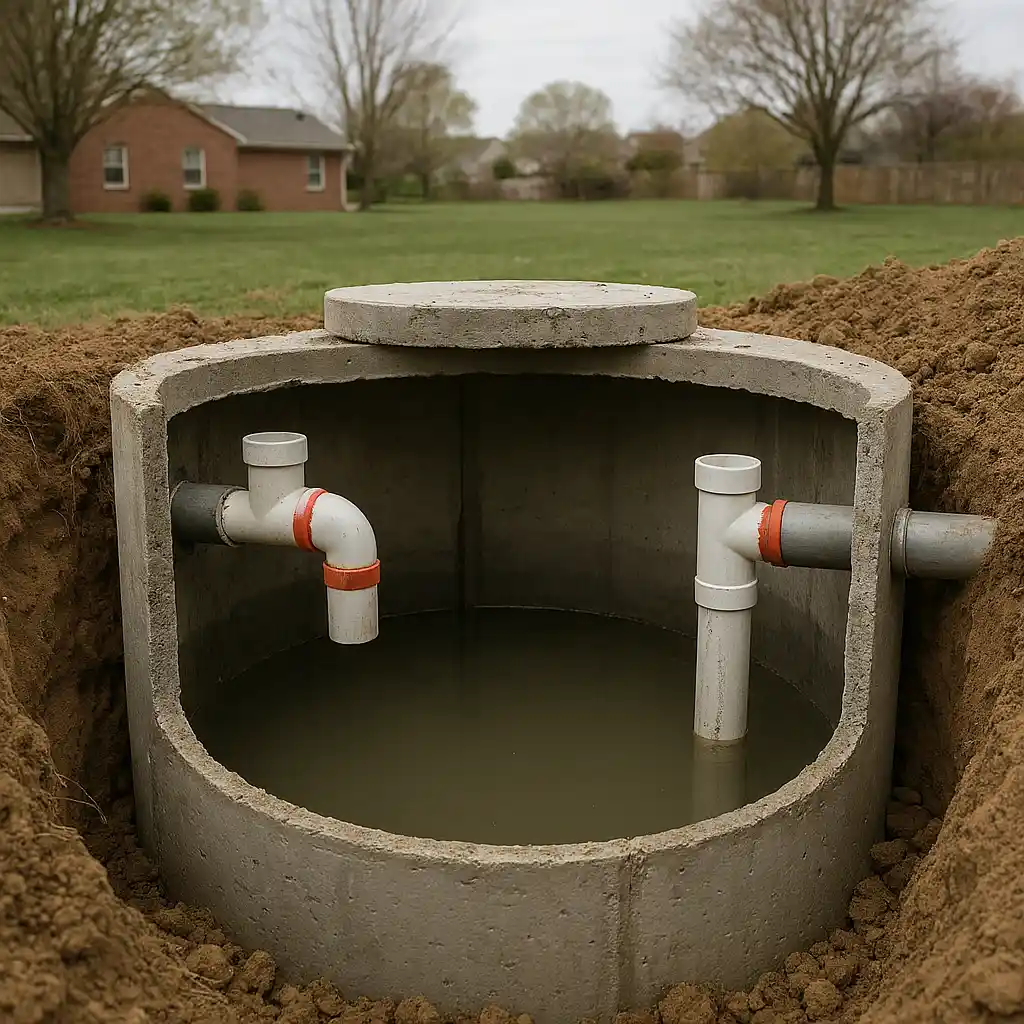
Septic System Installation
When a drain field has failed beyond repair, a new system may be the right path forward. We help you understand your installation options and what the process involves in Kentucky.
Learn MoreSchedule a Drain Field Evaluation in Lexington
Describe what you’re seeing and we’ll reach out to set up an assessment. The sooner a drain field issue is evaluated, the more options you typically have. Don’t wait until a manageable problem becomes a full replacement.
- On-site drain field assessment
- Distribution box inspection and repair
- Drain field pipe repair
- Remediation options for struggling fields
- Full replacement guidance and scope
- Kentucky permit process navigation
Tell Us About Your Needs
We’ll reach out to confirm your appointment details.