Septic System Dos and Don’ts for New Homeowners
Moving into a home with a private septic system for the first time comes with a learning curve. The habits that work fine in a house connected to city sewer can cause real problems on septic. Here’s what to know before you settle in.
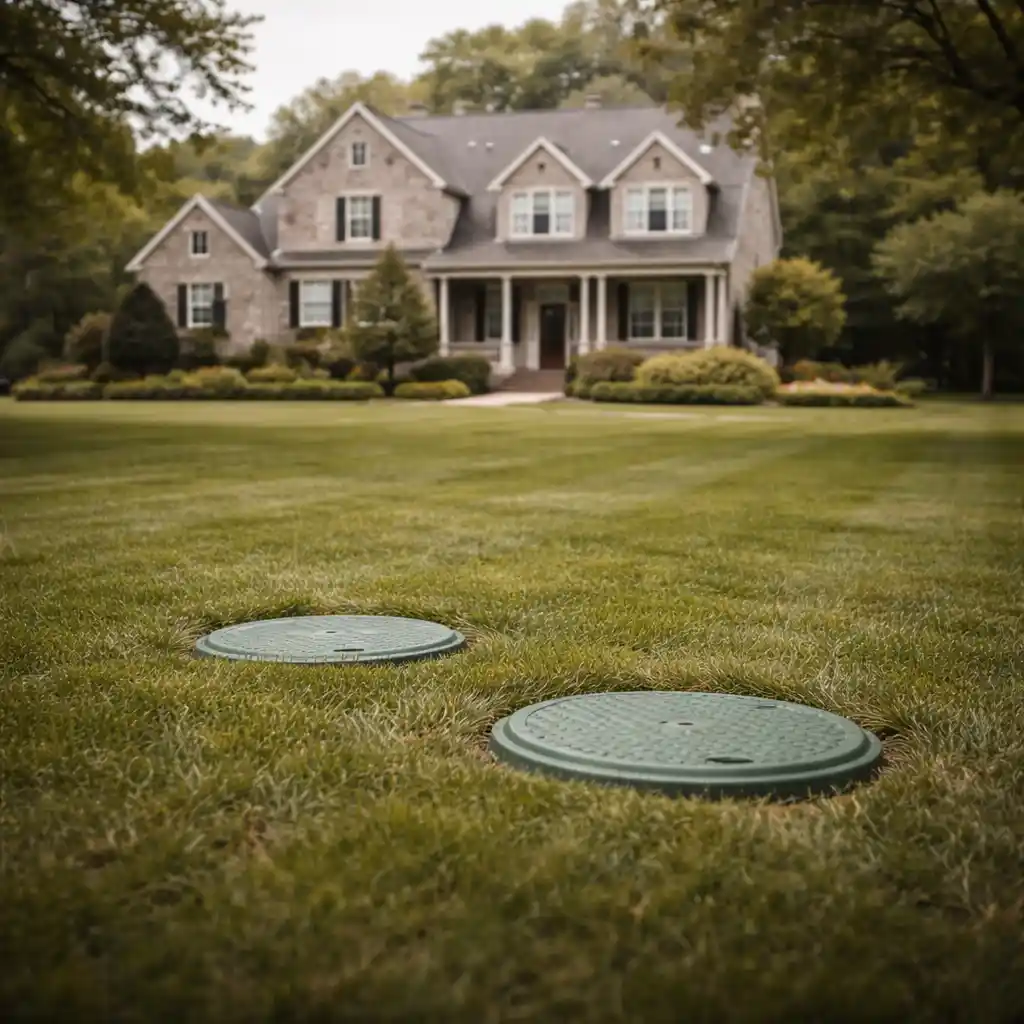
Your Septic System Is a Living System
That’s not a metaphor — your septic tank contains billions of bacteria that break down organic waste continuously. Without them, the system stops working. Everything you put down a drain or flush down a toilet eventually reaches that bacterial community in the tank. Some things help it thrive. Many common household products harm or kill it. That’s the underlying reason behind most of the guidance for new septic homeowners: protecting the biology that makes the whole system work.
Beyond the biology, a septic system has physical limits. The tank has a capacity. The drain field can only absorb so much liquid so fast. Understanding those limits — and not pushing past them consistently — is what keeps a system functioning for decades rather than failing in ten years.
The Dos
Do find out when the tank was last pumped
This is the first thing every new septic homeowner should do. Ask the previous owners, check your closing documents, or contact the county health department. If there’s no record — which is common — schedule a pumping within the first year of ownership. You’ll get a baseline picture of the system’s condition, and you’ll know exactly where the maintenance clock stands.
Do use toilet paper that’s septic-safe
Most standard single-ply and two-ply toilet papers break down adequately in a septic tank. Thick, ultra-plush varieties take significantly longer to decompose and contribute to sludge buildup faster. Look for toilet paper labeled septic-safe or rapid-dissolve — the difference in long-term tank performance is real, even if it seems minor.
Do spread water use throughout the week
The drain field can only absorb so much water in a given period. Doing all your laundry on Saturday — six or eight loads back to back — pushes a large volume of water through the system in a few hours. That concentrated load can temporarily saturate the drain field, preventing proper absorption and pushing solids toward the field. Spreading laundry across several days, and avoiding running the dishwasher at the same time as a laundry load, reduces peak demand on the system.
Do protect the drain field area
Know where your drain field is and treat it accordingly. Don’t drive vehicles over it — even once, the compaction can damage distribution pipes and reduce soil porosity. Don’t plant trees or shrubs near it, as roots will find their way into the pipes. Keep the area as grass only, mowed normally. Avoid installing anything above the field — no sheds, no raised garden beds, no decorative gravel areas. The field needs to breathe and the soil needs to evaporate moisture naturally.
Do keep maintenance records
Every time the tank is pumped or inspected, keep a record. Date, service provider, what was found, what was done. This information is valuable for the next service visit, useful if you ever sell the property, and helpful for tracking the system’s condition over time. A simple folder in your home documents is enough.
Do use water-efficient fixtures
Low-flow toilets, high-efficiency washing machines, and water-saving showerheads reduce the daily volume of water flowing through the system. Less water in means less stress on the tank and drain field, which directly extends the interval between pumping visits. If your home has older fixtures, upgrades aren’t mandatory, but they make a measurable difference to system performance over time.
The Don’ts
Don’t flush wipes — any wipes
This is probably the single most common mistake new septic homeowners make. Wipes labeled “flushable” do not break down in a septic tank. They accumulate, they block baffles, they contribute to the kind of buildup that leads to early drain field failure. Facial wipes, baby wipes, disinfecting wipes, personal hygiene wipes — none of them belong in a septic system. Dispose of them in the trash.
Don’t pour grease or cooking oil down the drain
Fats, oils, and grease enter the tank as liquid but solidify as they cool. They accumulate as part of the scum layer at the top of the tank. Over time, a heavy grease layer reduces the tank’s effective capacity, clogs baffles, and can pass into the drain field where it coats the soil and inhibits absorption. Collect cooking grease in a container and dispose of it in the trash.
Don’t use harsh chemical cleaners
Chemical drain cleaners, bleach in large quantities, and antibacterial cleaning products all reach the tank and damage its bacterial population. Some products are more harmful than others, but as a general rule, the more chemically aggressive a product is, the more careful you should be about using it. For toilet and drain cleaning, products designed to be septic-safe exist and work fine for routine cleaning.
Don’t use the toilet as a trash can
Dental floss, cotton balls, cotton swabs, paper towels, feminine hygiene products, prescription medications, cigarette butts — none of these belong in a septic system. They don’t break down, they accumulate in the tank, and some of them (medications) can pass through the system and affect groundwater. The only things that should be flushed are human waste and toilet paper.
Don’t connect a water softener to your septic system without understanding the impact
Water softeners backwash regularly, flushing a significant volume of salt-saturated water into the septic system. The high salt concentration can disrupt the bacterial balance in the tank, and the added water volume increases the load on the drain field. If your home has a water softener, make sure the backwash is handled appropriately — ideally directed to a separate drywell rather than into the septic system.
Don’t ignore early warning signs
Slow drains across multiple fixtures, gurgling pipes, sewage odors indoors or near the tank and drain field, and wet or unusually green patches in the yard above the leach field are all signals worth acting on. Septic problems that are caught early are almost always cheaper and easier to resolve than problems that are allowed to develop. Don’t wait until there’s a backup to schedule service.
A Word on Septic Additives
You’ll likely see septic additives marketed at home improvement stores — products that claim to boost bacterial activity, extend time between pumping, or restore a struggling drain field. The evidence for most of these products is thin. A healthy tank already contains more than enough bacteria to process waste properly. Biological additives are generally harmless but unnecessary. Chemical additives can actively harm the bacterial balance. The most effective “additive” for a septic system is regular pumping on schedule and sensible habits about what goes down the drain.
Getting Started on the Right Foot
If you’ve just moved into a home with a septic system and you’re not sure where to start, the answer is simple: schedule a service visit. Have the tank located, pumped, and inspected. Get a written summary of the system’s current condition. Ask questions. From there, you’ll know what you have, what it needs, and what kind of maintenance schedule makes sense going forward.
We work with new homeowners throughout Lexington and central Kentucky who are navigating a septic system for the first time. Fill out the form below and we’ll get you set up on the right track.
New to septic? Start with a service visit.
We’ll pump the tank, assess the system, and answer every question you have.
Schedule a Service Visit
We serve Lexington and all of central Kentucky.